
Book Review: Raising Loving Siblings - What Parents of Fighting Siblings Should Know
I couldn’t wait for Jonathan Caspi to publish his parenting book: Raising Loving Siblings: How to Stop the Fighting and Help Your Kids Connect. Sibling conflict is such a common concern! Dr. Jonathan Caspi,a professor of family science and human development, is a nationally recognized expert on sibling relationships. Previously, his work was shared only within academic circles. With the publication of his recent book, Caspi offers parents a practical framework for how to address sibling fighting, with recommendations stemming from his research and extensive clinical experience.
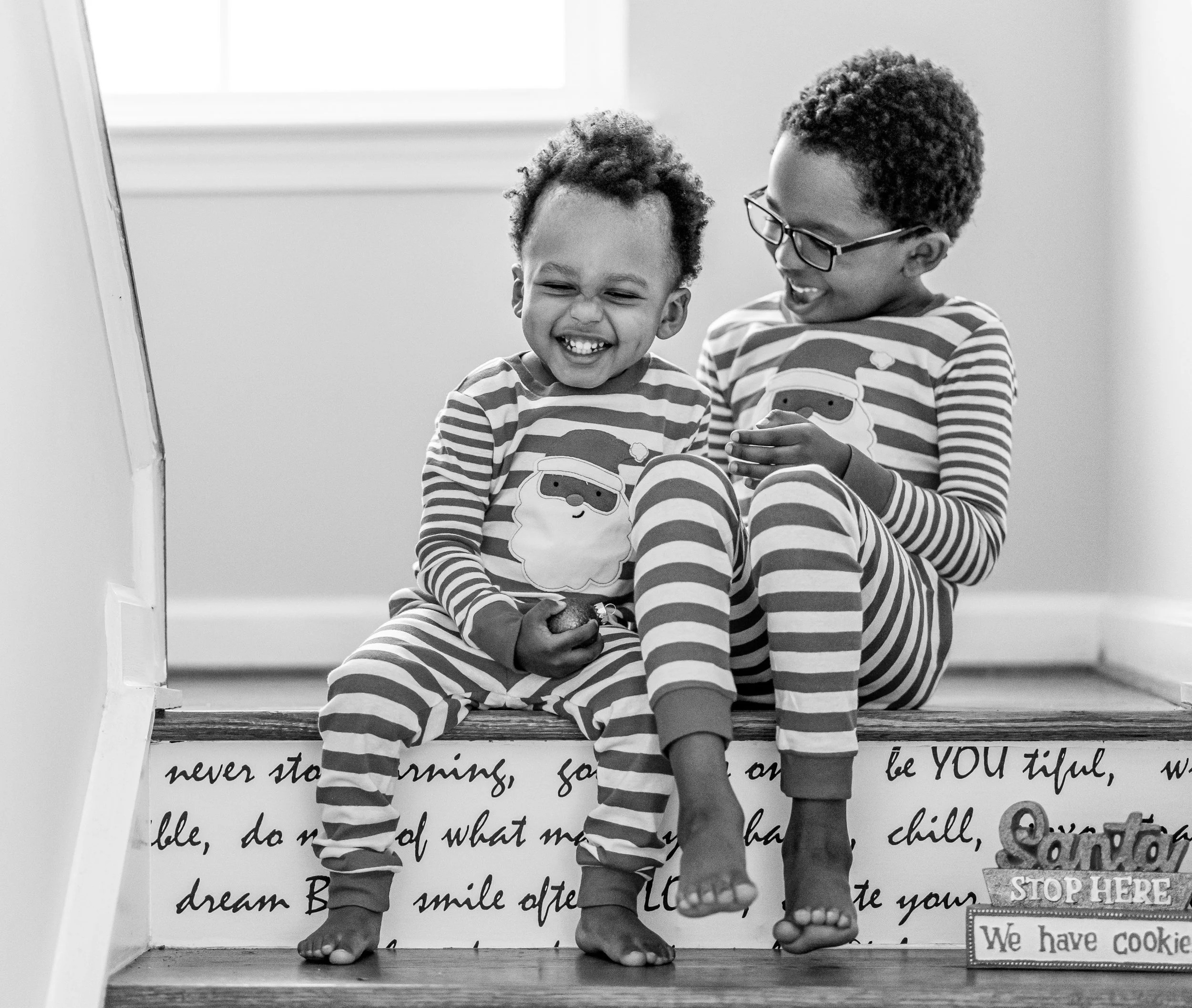
Dr. Caspi’s central premise is that the quality of sibling bonds is closely linked to long-term well-being and identity development. Siblings who have positive relationships tend to have better peer relationships and mental health compared to siblings with highly conflictual interactions. Sibling relationships are especially impactful in families where stressful challenges, such as divorce or alcoholism, are in the picture. In such cases, a warm and close sibling bond may “essentially erase” the negative effects of the stress over time. “Only-children” who go through these kinds of adversities tend not to fare as well compared to siblings who have each other for support.
Close Siblings
The sibling bonds that promote competence and resilience have these qualities:
They share and have fun together
They are loyal and protective of each other
They teach and help each other
They commiserate through tough experiences
They are empathetic and accepting of one another
This does not mean that close siblings do not fight. Caspi views sibling conflict as a key process for learning how to build interpersonal and problem-solving skills. Even close siblings share some level of conflict.
Why Siblings Fight

The most common - and obvious - reason why siblings fight is because they exist in a shared living space. It’s normal for siblings to vie for resources, such as parent attention and goodies. Siblings often squabble out of boredom, or as a sort of spillover response when one child is feeling irritable or unhappy at the moment.
Sibling conflict can also arise as a outcome of family dynamics. Conflict between parents often becomes reflected in the sibling relationship, where each child might align with one parent or the other. Favoritism perceived by a child is also a factor when it comes to sibling disputes, regardless of whether the favoritism is happening in the parent’s eyes.
Firm Stance Against Sibling Violence or Abuse
Caspi cites research showing that serious physical violence occurs in at least a third of all sibling relationships. He takes a firm stance against any kind of violence between siblings and advocates for a “no violence” household rule. When sibling violence is a two-way street, he calls this violence. When the aggression occurs in only one direction, Caspi refers to this as abuse. Caspi highlights that victims of sibling aggression have higher rates of mental health disorders and may be more vulnerable to victimization in other close relationships.
Caspi talks about violence as existing on a continuum, starting with verbal aggression (“that’s where it starts”). He challenges the notion of letting siblings work out their own conflict when these dynamics exist. He asserts that parents need to protect family members against any form of violence through clear rules, monitoring, and consequences.
Parents Can Help the Sibling Dynamic
One of the most common dynamics that fuels sibling conflict is the perception by a child that a parent favors a sibling or takes sides when conflicts erupt. Caspi cautions against dismissing a child’s perception of favoritism, advising against responses such as “I love you all the same.” Instead, he advocates for responding with curiosity and being receptive to the child’s subjective experience. From there, the parent may need to consider some adjustments in how they respond to the sibling conflicts. For example, a common trap is for parents to side with the younger child, reminding the older sibling - “You should know better.” This is the kind of dynamic that tends to fuel resentment in the older sibling, ultimately making things worse for the younger child. Instead, Caspi encourages parents to protect the older child’s domain from intrusions by the little one.
Practical strategies worth highlighting
Caspi details how parents can set up house rules and coach their children on how to manage conflict. He describes concepts such as predispute discussions, emotion coaching, and teaching emotion regulation skills. He also offers a framework for postdispute repair, which he says should involve making amends but without forced apologies. Other strategies highlighted in the book include how to navigate sibling niches in extracurricular activities, providing structure at home, and teaching kids to handle boredom.
Top Gems from Caspi
There are two other themes that struck me as especially strong contributions from Caspi:
Avoid comparisons and labels
Caspi has a compelling take on the potential downside of labeling children within a family. For example, parents might consider one child as their “messy one” or “athletic one.” These kinds of comparisons tend to magnify differences between siblings. Assigning labels creates a risk of defining children’s identities for them and creating self-limiting beliefs that can negatively alter their life trajectory.
Steer away from words that might leave a child feeling like an outsider in the family
This point is more conceptual as opposed to a concrete suggestion. Whenever we say things to our kids, there is usually subtext in the messaging. Statements such as, “You get in trouble more than your brother because your brother doesn’t act out so much” may be factually true, but hearing this may leave a child feeling on the outside of the family. Children are highly sensitive in their sense of belonging, and the words we say matter.
Missing Pieces
Separate households: The framework described in the book seems to assume two parents operating from one household. Kids who split time between two homes may face more challenging versions of triangulation and unhealthy parent-child alliances, which Caspi's model doesn't address in the book. Consistent rules and a united parental front may be harder to attain across two households, especially when the divorce is less than amicable.
Neurodevelopmental disabilities: The approaches that Caspi encourages rely heavily on verbal skills and self-reflection, on the part of both parents and kids. The strategies also take considerable effort, time investment, and consistency on the part of the parents. When families have one or more children with significant behavior challenges, other priorities may take precedence over the sibling interventions. For example, simply making it out the door in the mornings can be a major lift for some families, because of difficult behaviors in a child. It may also be hard to fully implement the sibling interventions when a child has language impairment, low insight, or difficulty with flexibility.
At the same time, children with neurodevelopmental disabilities are at greater risk of being victimized by their siblings. In this sense, the interventions to manage sibling conflict may be all the more crucial. Mental health providers can assist families in adapting Caspi’s methods to meet the specific needs of the family.
Conclusions
For parents of siblings
Caspi’s book empowers parents with a menu of strategies that will help to improve sibling relationships. Even if some of the interventions feel daunting to fully implement, Caspi offers a broad range of steps to take. Even small changes are likely to have a positive impact, and parents are less likely to feel at a loss about how to respond when sibling fights escalate.
For mental health professionals
Caspi makes a compelling case for the importance of close sibling relationships, especially for families going through tough times. As mental health professionals, we might consider including siblings in our treatment plans in the interest of strengthening a child’s protective factors. A family systems approach to intervention stands to benefit all family members. For example, if parents are concerned about their children’s adjustment to divorce, it could make more sense for the siblings to be seen together for therapy as opposed to having separate therapies. Also, we now have a research-backed framework to inform our guidance to families seeking to improve sibling relationships.
Services at Child and Teen Solutions (CATS)
Caspi's book makes a strong case for prioritizing close sibling relationships as a way of promoting positive mental health outcomes. But as noted above, the model leans on assumptions that don't always hold, especially for families navigating two households or a child with developmental vulnerabilities. At CATS, we work with families to tailor strategies to fit the specifics of their household and children.
Our team specializes in taking a family systems approach when treating childhood problems, including disruptive behavior, anxiety, emotion dysregulation, and neurodevelopmental disabilities. To learn more, reach out to us through our Contact Page.
If you like what you just read, sign up for our newsletter below. The newsletter focuses on strategies for parents looking to promote their children’s long-term mental health. We also tackle parenting myths, provide reading suggestions, and share information about resources in the Seattle community.
If you like what you’ve read, sign up for the Parenting Tips Newsletter.